Sustainable living in Portugal
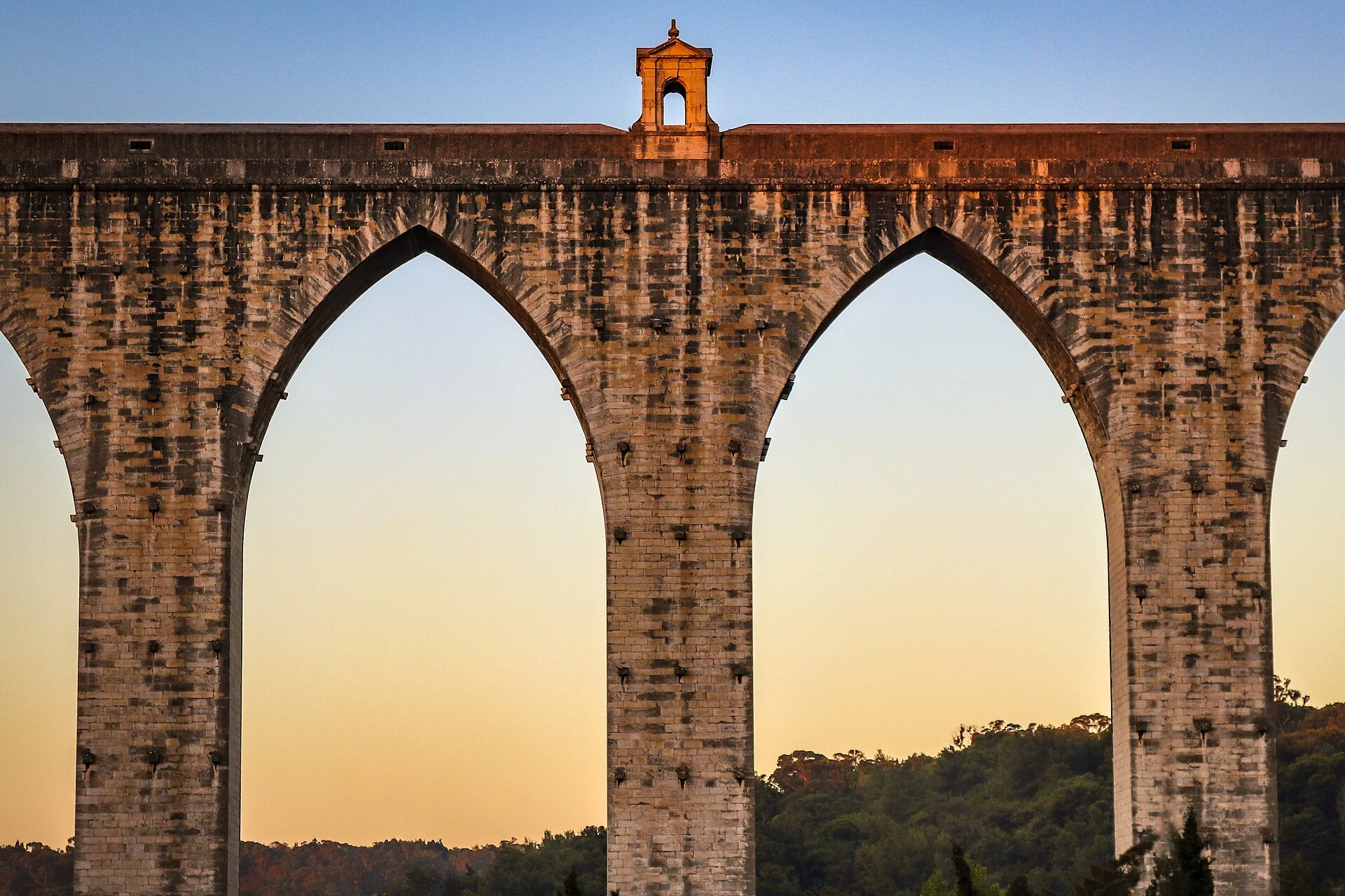
Walking the Águas Livres Aqueduct in Lisbon: A hidden gem for slow travellers

Águas livres aqueduct is one of Lisbon’s most iconic landmarks, yet surprisingly few people know that you can actually visit and even walk it. Despite having once worked at the Water Museum, which manages the aqueduct, I had never actually walked across it. I had passed underneath it countless times, admired its arches from different parts of the city, but had never experienced it from above. And read until the end, as there is an extra surprise.
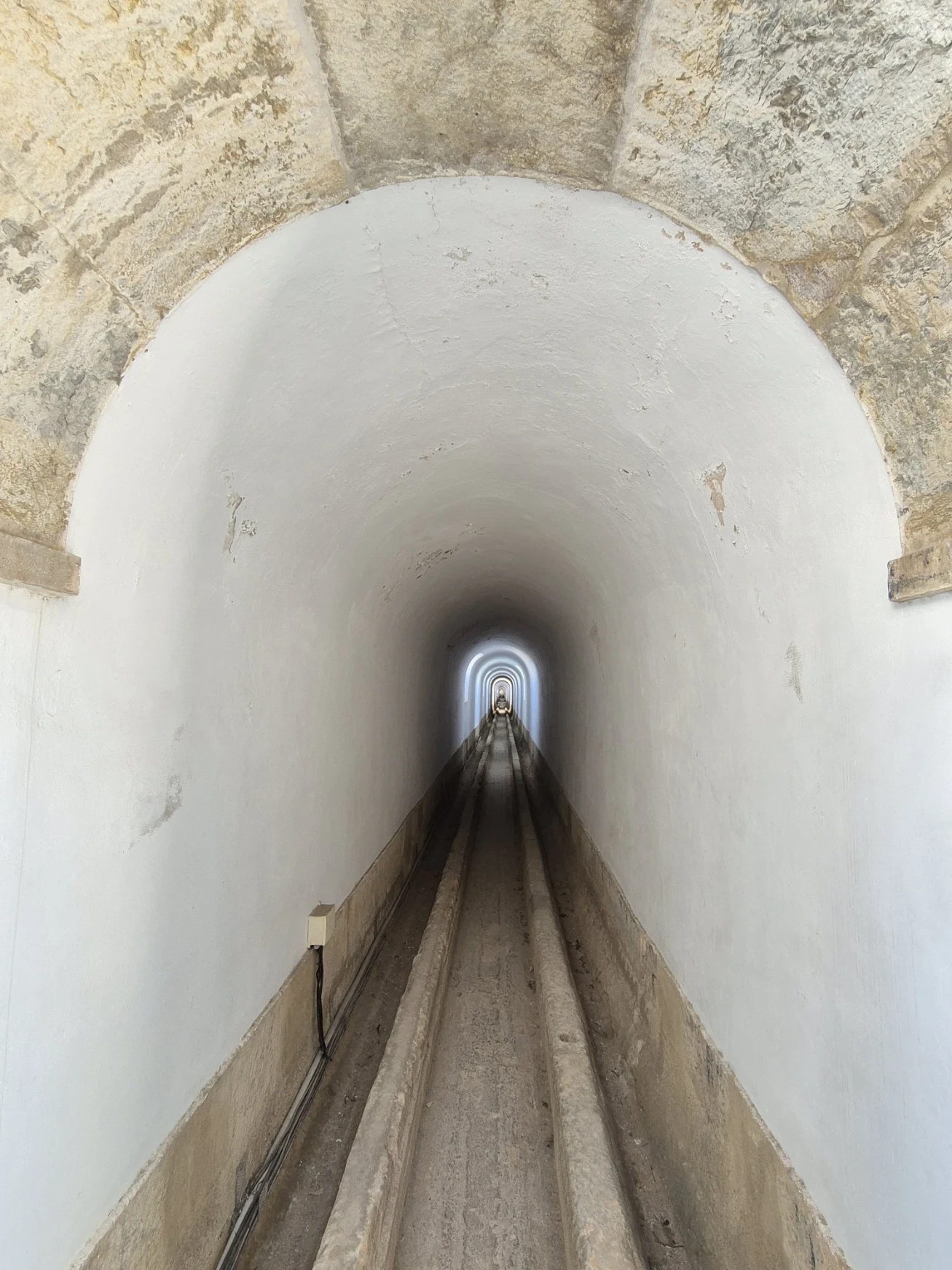
As a child, I explored the Mãe d’Água velha springs and the tunnels around Belas, through which water was channelled all the way to the aqueduct, some 14 km away from the city. (Yes, the underground tunnels and galleries stretch for many kilometres. The aqueduct’s arches are simply the most visible part of a much larger and more complex structure). It was a real adventure, one of those childhood experiences that stay with you and fuel your curiosity about the places around you. And it was with much the same spirit of discovery that, on an autumn Sunday, I finally decided to head out and visit the Águas Livres Aqueduct.
The experience was wonderful.
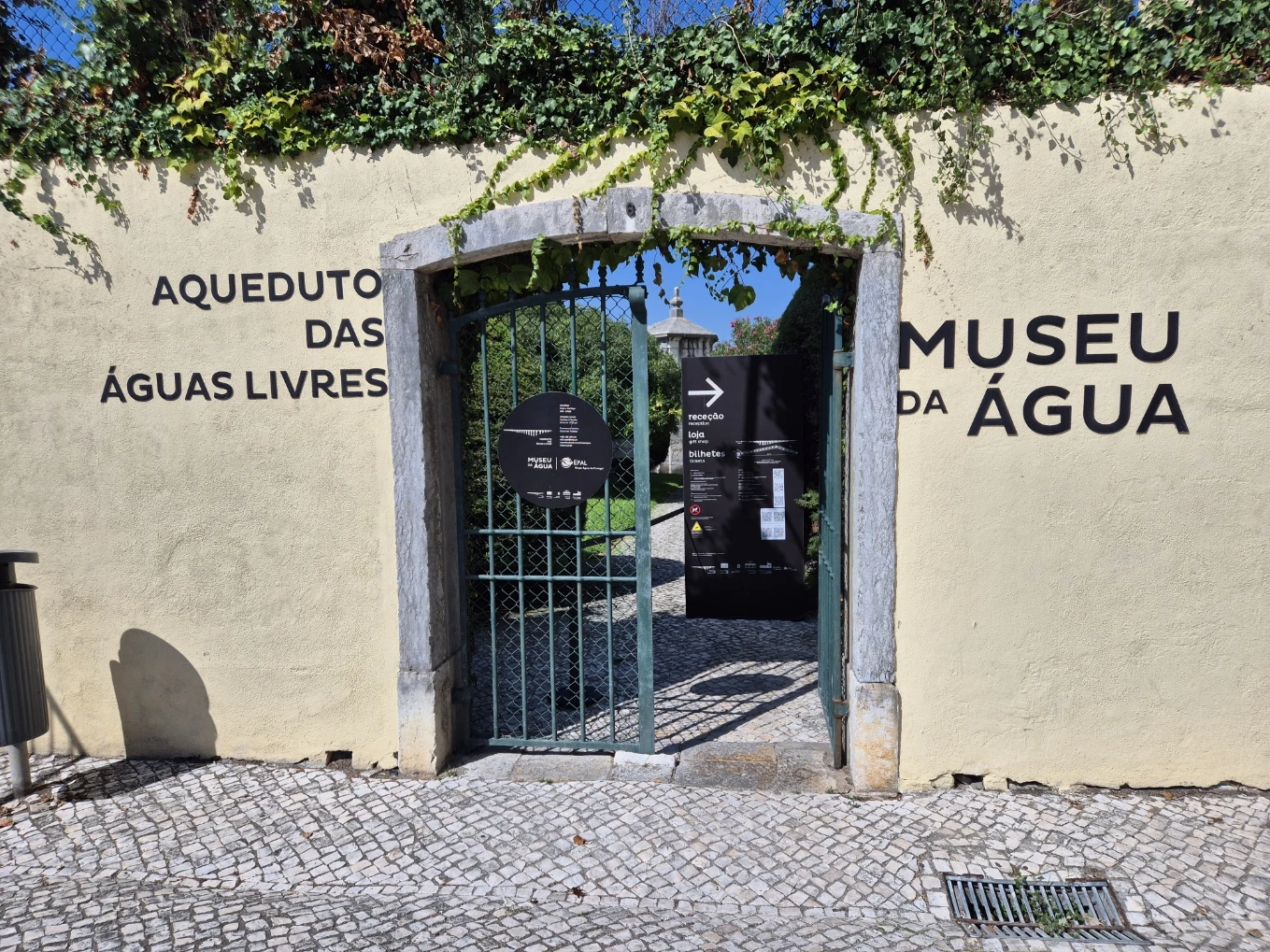
There is something quite special about walking across a structure that you have spent so many years crossing underneath. Being able to walk along the aqueduct, step inside its passageways and see Lisbon from an entirely different perspective feels almost magical. Entering the tunnel brought back memories of my childhood adventures, although this time I was seeing everything through very different eyes.
And then there are the views. Simply beautiful.
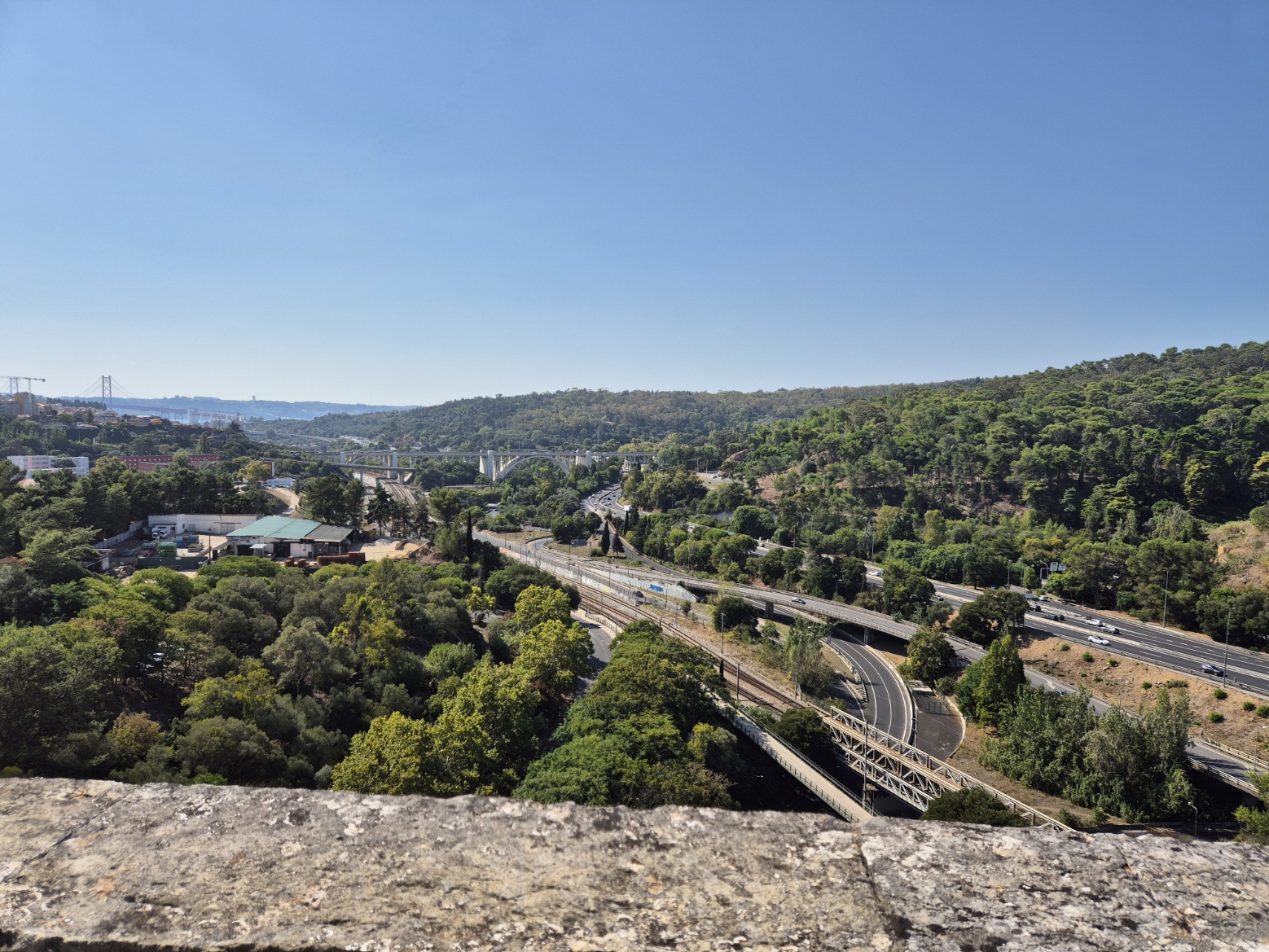
Walking above the Alcântara valley, with the city stretching out around you, gives you a completely new appreciation of Lisbon and the remarkable presence of this monument in its landscape. It is one of those places where you just want to stop, take it all in and enjoy the moment.
Yet visiting the aqueduct is also a journey through the city’s history.
Away from Lisbon’s main tourist hotspots, this is a surprisingly peaceful experience. There are no overwhelming crowds or queues, just an extraordinary piece of history waiting to be explored. It is a different side of Lisbon, and perhaps one of the most rewarding ways to discover the city beyond its usual tourist attractions.
Opening hours and other usefull information
- Location
- Calçada da Quintinha, 6, 1070-225 Lisboa
- Extra information
- First Sunday of each month the entrance is free if you are a resident. We suggest using public transport. Check the section with the alternatives
- Opening hours
- Open from Monday to Sunday (excet public holidays) from 10h-18h (last admission at 17h30)
A little history: The aqueduct that brought water to Lisbon
Built in the 18th century during the reign of King João V, the Águas Livres Aqueduct was created to solve one of Lisbon’s biggest problems: the lack of drinking water.
At the time, the city’s population was growing, and its existing water supply was no longer sufficient. The solution was an ambitious engineering project that would bring fresh water from springs in the Belas region, using gravity to transport it into Lisbon.
The result was an impressive network of aqueducts, tunnels and channels stretching for dozens of kilometres. Its most recognisable section crosses the Alcântara valley, where 35 arches extend for almost a kilometre. The tallest, an enormous pointed arch, rises around 65 metres above the valley.
One of the most remarkable things about the aqueduct is that it survived the devastating earthquake of 1755, which destroyed much of Lisbon.
For generations, it supplied water to the city’s fountains and public spaces, becoming an essential part of everyday life. It eventually stopped serving as a public water supply system in the 1960s.
Today, it has a different purpose: reminding us of the ingenuity behind one of Lisbon’s greatest engineering achievements.
And what better way to appreciate its history than by walking across it?
Why I consider this a sustainable visit
Lisbon has no shortage of postcard-perfect spots, but some of the best travel experiences happen just off the beaten path. The Águas Livres Aqueduct is one of them, and visiting it is also a surprisingly sustainable way to spend an afternoon.
Away from the crowds. Tucked outside the city’s main tourist hubs, the aqueduct doesn’t suffer from the overtourism that puts pressure on places like Alfama or Belém. Fewer visitors means less wear on the monument, a calmer atmosphere, and a more authentic experience for you. Spreading tourism beyond the usual hotspots is one of the simplest ways to travel more responsibly.
Green spaces worth lingering in. The garden and green areas around the aqueduct are beautifully cared for. They offer a pleasant place to slow down, breathe, and enjoy a bit of nature without leaving the city.
Heritage in good hands. The site is managed by EPAL, the water company responsible for tap water in Lisbon metropolitan area, that looks after the whole complex. Its commitment to maintaining both the monument and its surroundings means this 18th-century engineering marvel is being preserved for future generations, rather than simply being used up by visitors.
A site that practises what it preaches. EPAL is regularly involved in sustainability events and actively encourages people to drink tap water. It fits perfectly: a monument built to bring clean water to Lisbon, now promoting the same message in a modern way. Bring a reusable bottle, refill it, and skip the single-use plastic.
So if you’re looking for a visit that is rich in history, easy on the environment, and refreshingly uncrowded, the Águas Livres Aqueduct deserves a spot on your Lisbon itinerary.
How to get to the aqueduct by public transport
You don’t need a car to explore this part of Lisbon. The Águas Livres Aqueduct is accessible by public transport, making it an easy addition to a sustainable day out.
The entrance is at Calçada da Quintinha, 6, in Campolide. Several Carris bus routes serve the area, including 742, 751 and 758. Check the latest routes and timetables before travelling, as these may change.
Getting there by public transport is a simple way to reduce your travel footprint while discovering a different side of the city.
For visitor information, opening times and access arrangements, check the EPAL Water Museum website.
Crowning the visit with a side quest to Campo de Ourique, and tasting the best pastel de nata
And here’s the surprise I mentioned earlier. Not far from the aqueduct lies Campo de Ourique. One of Lisbon’s most characterful neighbourhoods, Campo de Ourique has managed to retain a strong sense of community and a relaxed, local atmosphere. Away from the busiest tourist areas, it is a lovely place to wander, browse traditional shops and enjoy everyday Lisbon life.
I recommend walking there. It’s not far, and it’s a great opportunity to burn a few calories before putting them straight back on with a well-deserved pastel de nata!
One of the best ways to round off your visit is with a stop at Aloma. Established in 1943, this historic pastry shop is particularly famous for its pastéis de nata. It has won the award for Lisbon’s Best Pastel de Nata several times. A coffee and a freshly baked custard tart are always a good idea!
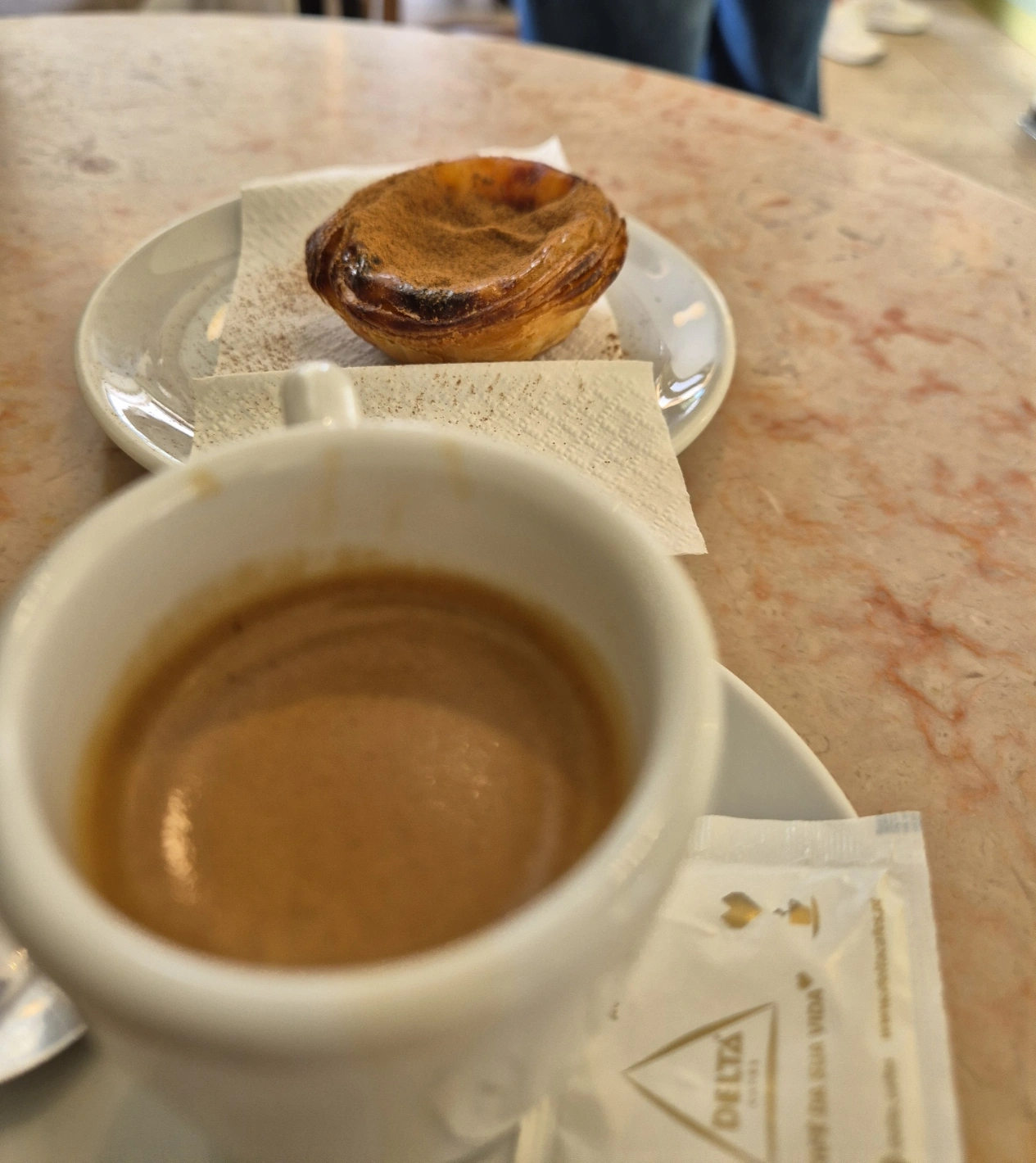
While you’re here, make sure to visit Jardim da Parada, the neighbourhood’s central garden and a favourite meeting place for locals. Then head to Mercado de Campo de Ourique, a traditional market that combines its original character with a lively food scene.
Another spot worth mentioning is one of Isto’s shops. Isto is a clothing brand with a strong commitment to sustainability. Its Campo de Ourique shop also houses its end-of-collection pieces and repair atelier, making it well worth a visit.
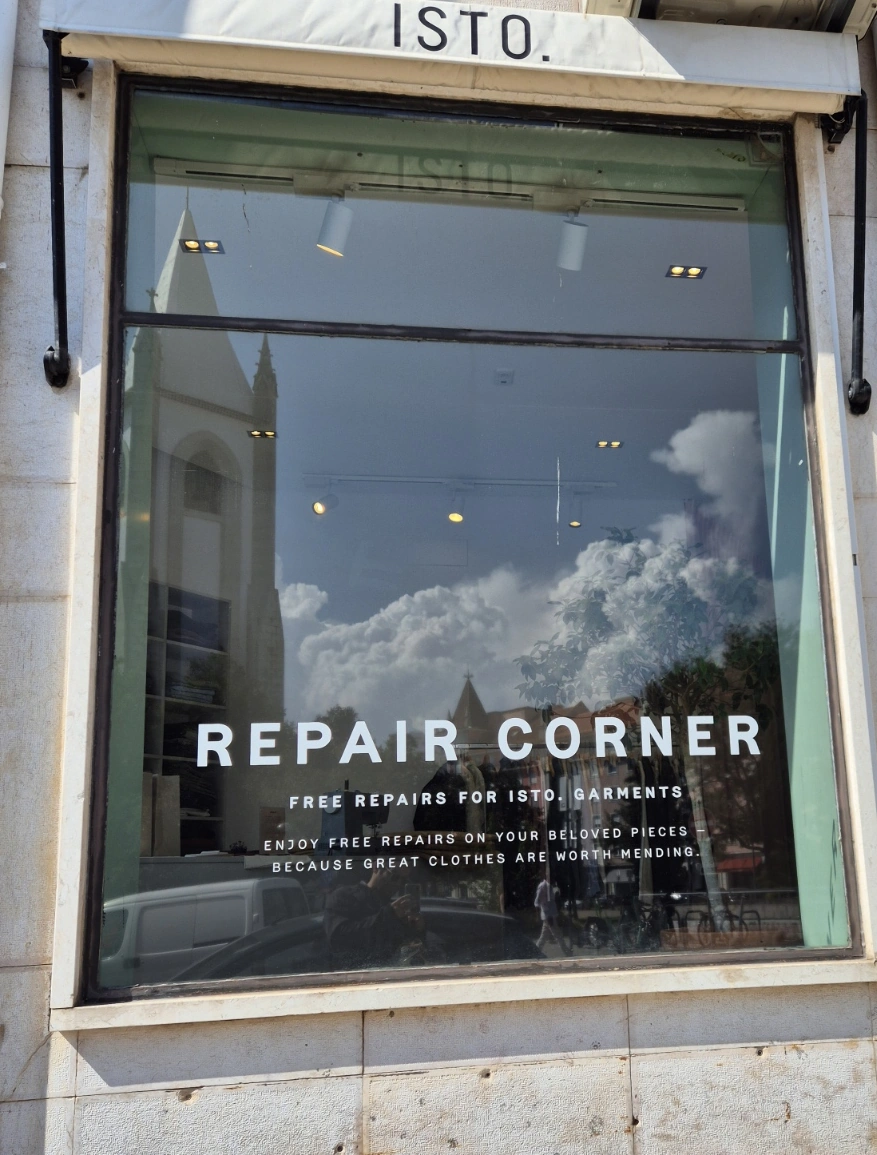
Campo de Ourique is best explored without too much planning. Take your time, enjoy the atmosphere and let yourself discover the neighbourhood at your own pace.
Rediscovering Lisbon
Some trips take us to distant places, while others allow us to rediscover the things that have been right in front of us all along.
For me, visiting the Águas Livres Aqueduct was a little of both. It was a journey into Lisbon’s history, but also a journey into my own childhood memories. A monument I had seen countless times from below, finally experienced from a completely different perspective.
It is curious how we can spend a lifetime walking beneath a place without ever imagining what it feels like to be up there.
I left with the feeling that I had discovered something new in a city I thought I knew so well. And perhaps that is one of the best things about Lisbon: no matter how many times you explore its streets, there is always another story, another corner or another experience waiting to be discovered.
Sometimes, the best way to travel is simply to look at familiar places differently.