Portugal is a country shaped by the sea. With more than 800 kilometres of Atlantic coastline, over 300 days of sunshine in many regions and a lifestyle that embraces the outdoors, it’s no surprise that beachwear is an essential part of life here. From the Algarve to the wild beaches of the west coast, bikinis, swimsuits and beach towels are among the first things to come out of the wardrobe as the warmer months arrive.
Portugal is also home to one of Europe’s strongest textile and clothing industries. Long recognised for its craftsmanship and manufacturing expertise, the country .Portugal has also become increasingly recognised for innovative fashion brands that combine high-quality design with more responsible production methods. In recent years, a growing number of Portuguese swimwear brands have begun incorporating recycled materials, local manufacturing and timeless design principles into their collections.
Of course, the most sustainable piece of clothing is the one you already own. But if you’re looking to buy new swimwear, choosing well-made pieces that will last for many summers is one of the best ways to reduce your environmental impact.
The Challenges of Sustainable Beachwear
Although sustainable fashion is becoming an increasingly common topic, producing beachwear with a lower environmental impact is far from straightforward. The light-hearted, carefree nature of beachwear contrasts sharply with the technical demands placed on the fabrics. Salt water, chlorine, sunscreen, UV radiation and the constant abrasion of sand all push these materials to the limits of their performance while still requiring them to remain comfortable and durable.
All of this must come together in a garment designed to last for several years, with a lower environmental impact than multiple lower-quality pieces that need replacing frequently. That’s why durability, manufacturing quality and brand transparency are such important factors.
Not every recycled fabric currently available meets these demanding requirements, limiting the options available to brands. In addition, sustainable materials such as recycled nylon (for example, ECONYL®) or recycled polyester are generally more expensive and are not always available in large quantities.
Production itself presents another significant challenge. Manufacturing swimwear requires specialist techniques and experienced suppliers, making local or small-scale production more difficult. On top of this are the additional costs associated with certifications, quality control and more transparent supply chains.
For these reasons, the greatest challenge is not simply creating sustainable swimwear, but balancing sustainability, quality, durability and competitive pricing throughout the entire production process.
Sunscreens are another often-overlooked aspect of sustainability. Although they are essential, and while the scientific evidence varies, certain UV filters have been associated with impacts on aquatic ecosystems, contributing to damage in marine environments. Sustainability extends beyond clothing alone.
How to Make Your Bikini or Swimsuit Last Longer
A well-made bikini or swimsuit can last for many years with just a few simple care habits. Extending the lifespan of your swimwear not only reduces the need to buy new pieces but also lowers its overall environmental impact.
After each use, rinse your swimwear thoroughly in cold water to remove salt, chlorine, sand and sunscreen residue, all of which can gradually damage the fibres. When necessary, wash it by hand or use a delicate machine cycle with a mild detergent.
Avoid wringing out the fabric. Instead, gently squeeze out excess water and allow it to dry naturally in the shade. While swimwear is designed to be worn in the sun, prolonged UV exposure during drying accelerates fibre degradation and reduces elasticity.
Finally, avoid sitting directly on rough surfaces such as concrete, rocks or coarse wood, which can snag or damage the fabric. With these simple precautions, your bikini or swimsuit can remain in excellent condition for many summers to come.
Bikinis Made from Recycled Nylon
One of the most widely adopted solutions in sustainable swimwear is the use of recycled nylon, which can be produced from recovered fishing nets, industrial waste and textile scraps, depending on the manufacturer.
This material produces fabrics that are durable, stretchy and well suited to repeated exposure to salt water, chlorine and sunlight, while reducing the need to manufacture virgin nylon from fossil fuels. Its use is still far from widespread, however, and there is clearly considerable progress yet to be made.
But sustainability is about more than recycling alone. Durability and high-quality craftsmanship are equally important, as garments that last longer ultimately have a lower environmental footprint.
Local Production and Small-Scale Collections
Another sustainable approach is local manufacturing combined with small-scale collections. Producing garments closer to the markets where they will be sold can reduce some transport-related emissions and make production easier to monitor, although the greatest environmental impacts generally remain associated with the materials themselves and the manufacturing process.
Portuguese Swimwear Brands Focused on Sustainability
A growing number of swimwear brands are embracing more sustainable practices through the use of recycled materials, local production and smaller collections. Some have integrated these principles more consistently than others, although the level of commitment naturally varies between collections and materials.
The selection of Portuguese brands presented here—Cantê, Conscious, Latitid and Aumar—offers a balanced snapshot of what lower-impact swimwear looks like today.
Rather than being a ranking of the “most sustainable” brands, this is intended as a reflection of the sector, where different levels of sustainability and brand maturity coexist. On one hand are Portuguese brands that represent the growth of locally produced swimwear while gradually incorporating more responsible materials. On the other is a leading European brand that has become a benchmark for sustainable swimwear.
Cantê

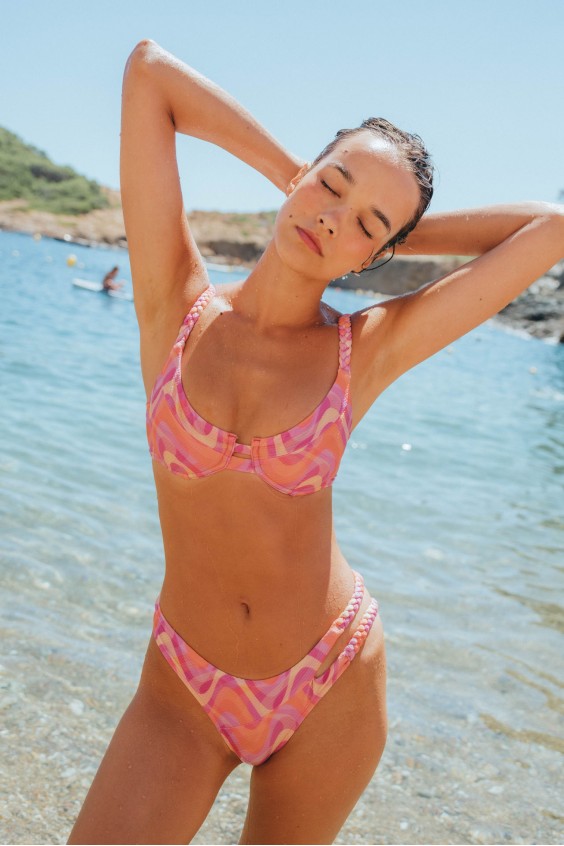

Cantê is a Portuguese swimwear brand that manufactures its collections in Portugal and has become one of the country’s best-known swimwear labels internationally. In recent years, the brand has progressively introduced more responsible materials and practices into parts of its collections, reflecting a growing commitment to sustainability.
The brand is also recognised for its strong emphasis on design and bold, distinctive prints, which have become central to its visual identity.
It’s always summer somewhere – Cantê
Conscious
Conscious the Label is a Portuguese swimwear brand founded with sustainability at the core of its business model. All collections are designed and manufactured in Portugal using regenerated and recycled materials, including ECONYL®, a nylon fibre produced from discarded fishing nets and other nylon waste.
The brand combines ethical local production with small-batch manufacturing and places a strong emphasis on transparency, circularity and reducing environmental impact throughout its supply chain.
Latitid
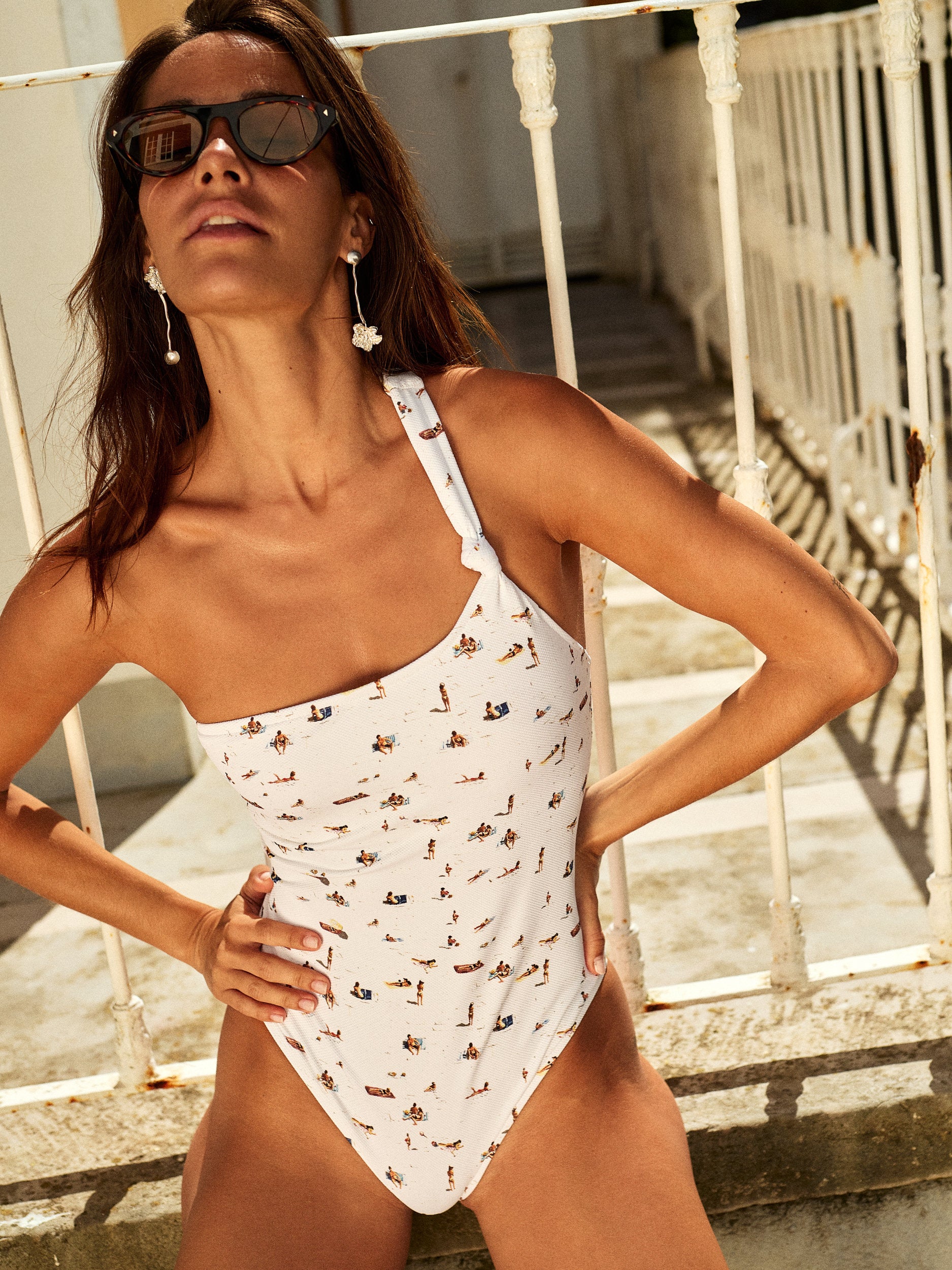


Latitid is a Portuguese swimwear brand that manufactures in Portugal and is known for its minimalist aesthetic and strong emphasis on quality and durability. Positioned within the premium segment, the brand creates timeless collections designed to withstand years of wear.
Latitid’s focus lies in careful garment construction and the selection of high-quality materials, prioritising longevity over seasonal trends. Some collections also incorporate fabrics with more sustainable components.
LATITID – Revealing Attitude – Latitid
Aumar
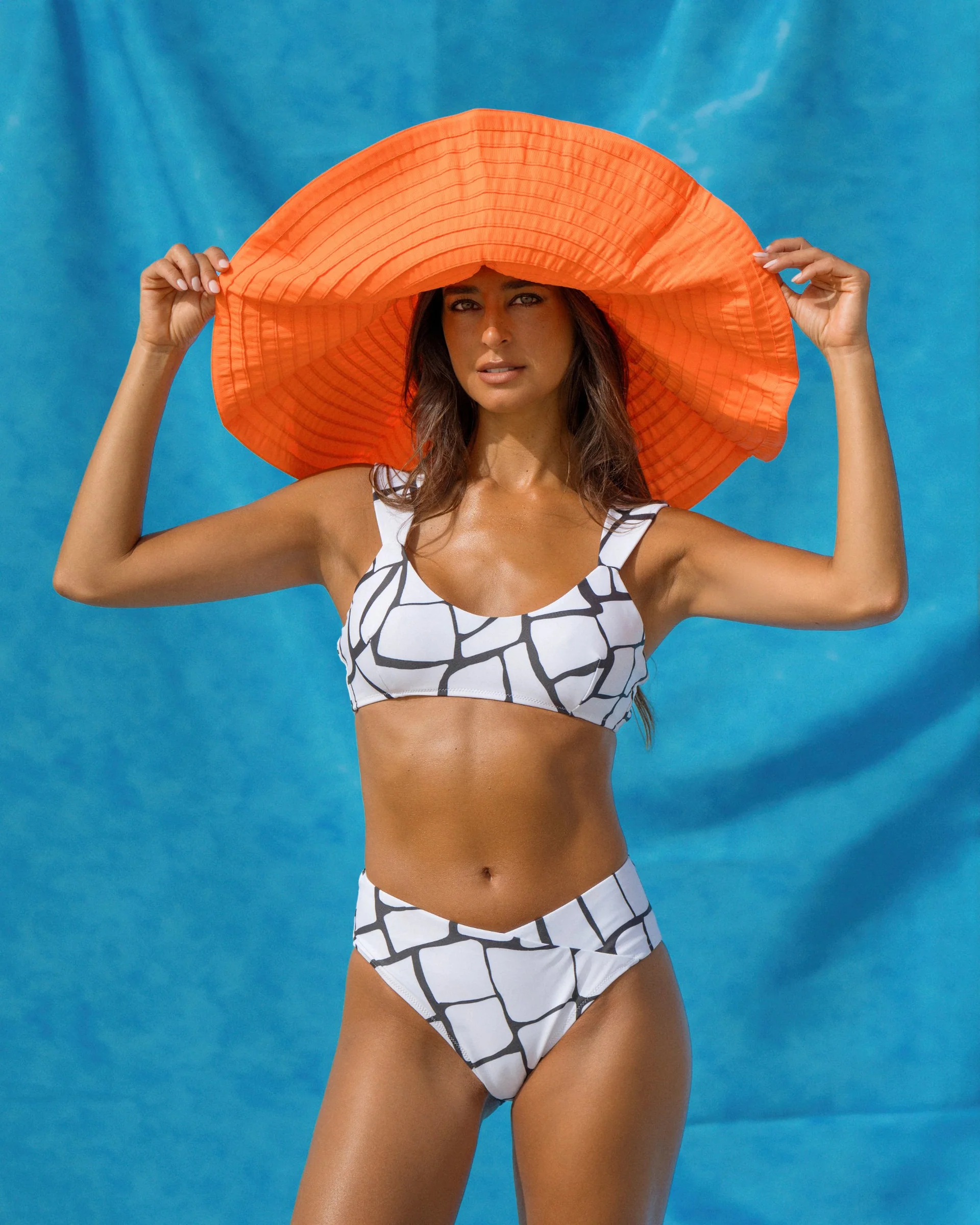
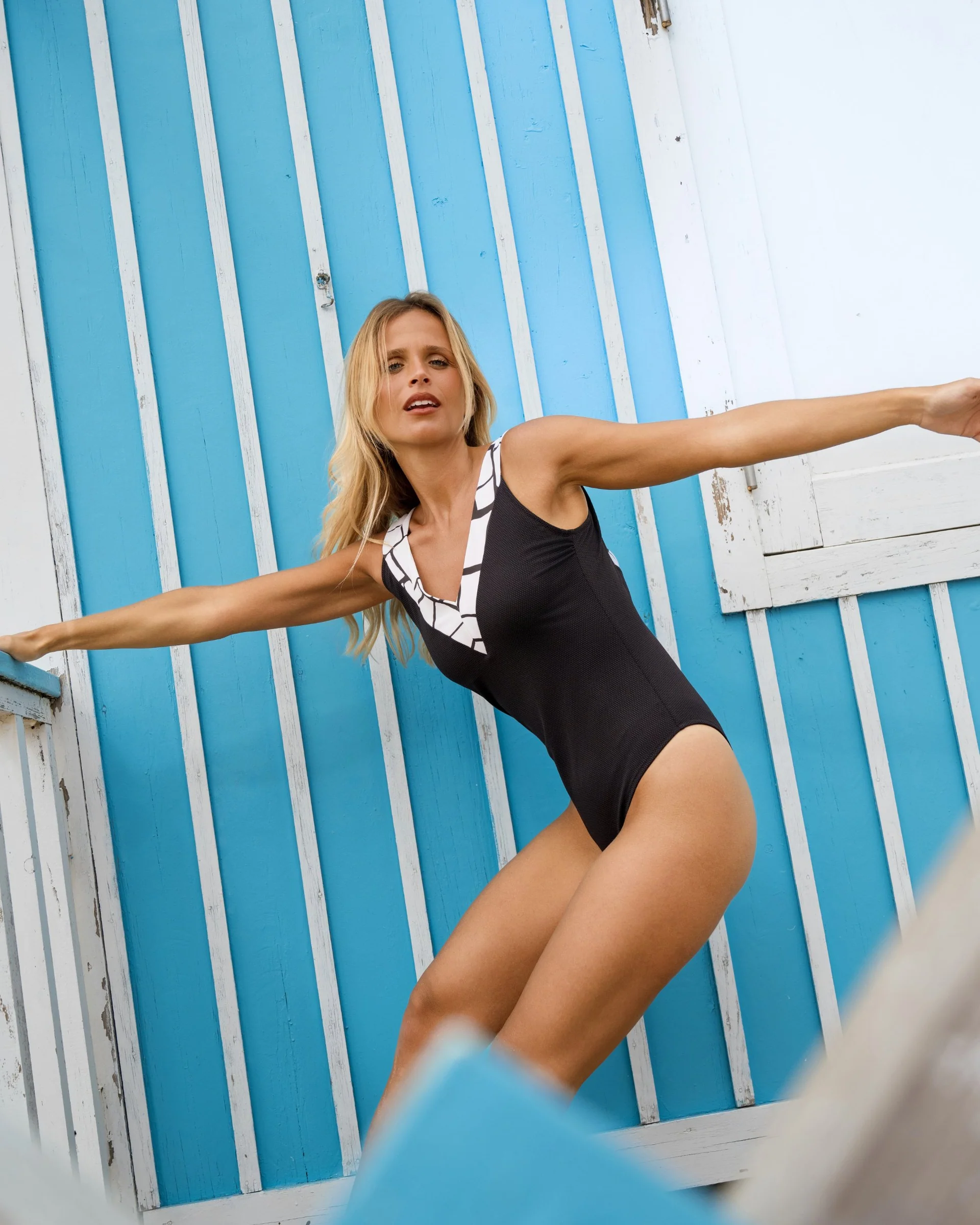
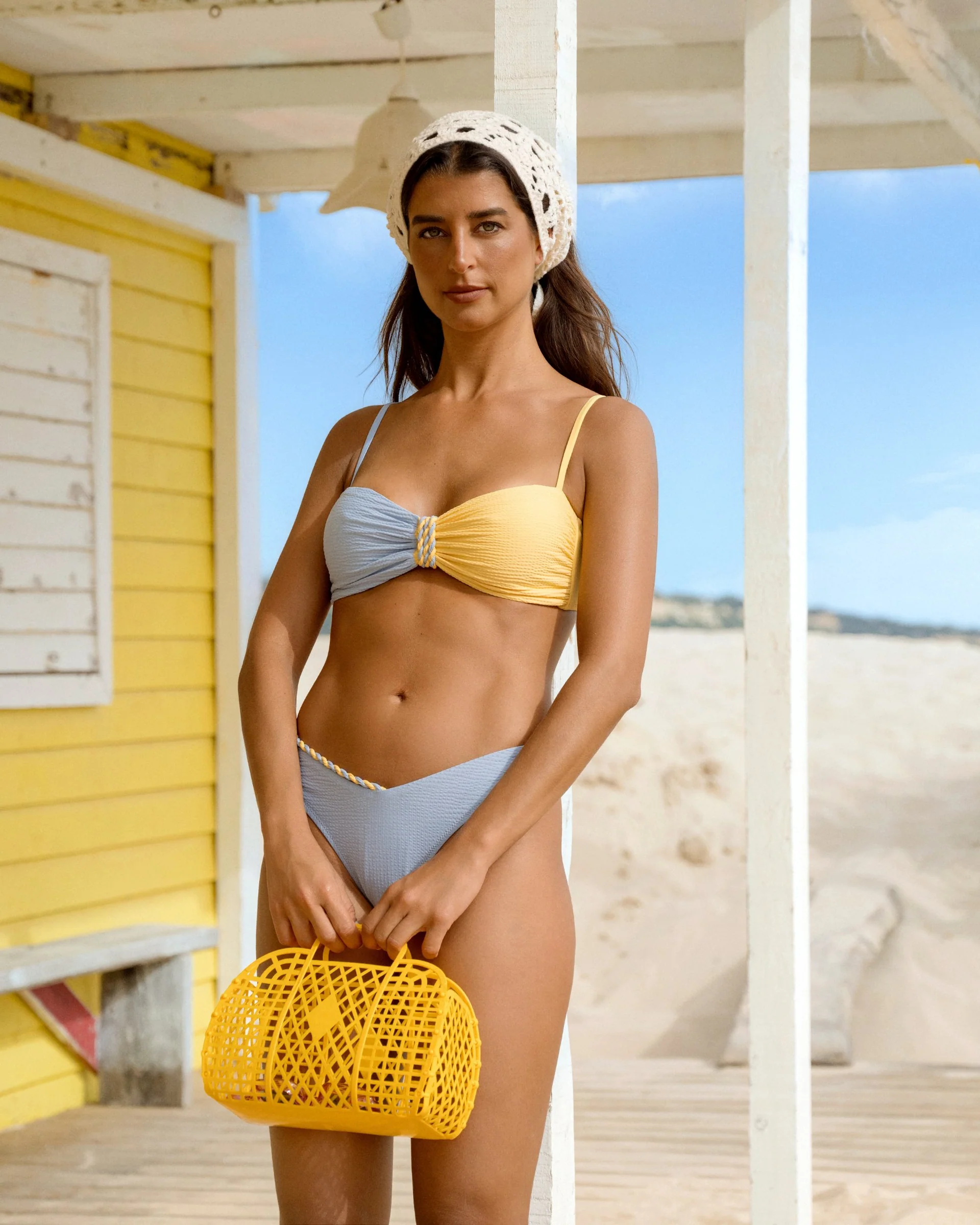
Aumar is a Portuguese swimwear brand that manufactures in Portugal and follows a more conscious, small-scale approach. Its limited collections help minimise excess production and align closely with slow fashion principles.
One of Aumar’s most notable features is its use of recycled materials across many of its garments, reflecting a commitment to reducing environmental impact. The brand also favours simple, timeless designs intended to remain relevant season after season.