
Seeing is Believing. It’s not enough to write about recycling systems, about the Volta system, or about the underestimated potential of RPET in the fashion industry — you need to see it happening, and this is where theory takes shape.
There’s a transformation happening in Portuguese fashion that makes no noise, but reconfigures everything from within. The new object of desire no longer comes from exotic geographies or mineral rarities; it comes from what was discarded. From the ocean. From bottles. From the waste that the industry has finally learned to see as raw material — not as an endpoint.
Recycled plastic, RPET, regenerated microfibers — what was once technical engineering language has become the creative vocabulary of brands that refuse to separate aesthetics from responsibility. And Portugal, with its dense network spanning the textile industry, footwear, and materials innovation, has become fertile ground for this crossover.
Portuguese labels are building on generations of craftsmanship rooted in the country. From São João da Madeira’s century-old shoemaking tradition to Covilhã’s historic wool industry, this expertise is deeply tied to place and heritage. Today, a new generation of Portuguese fashion brands is turning that manufacturing know-how into products with their own identity—and we’ll visit some of them.
Every new brand I discover leaves me genuinely amazed — not by shock value, but by the consistency and ambition of what they’re building.
We’re talking about fashion with ambition, above all sustainability in action, and there are those taking it very seriously.
Here I select five standout brands: different from one another, but all sharing something rare — they make us rethink what fashion can be.
Zouri: the ocean as a design structure
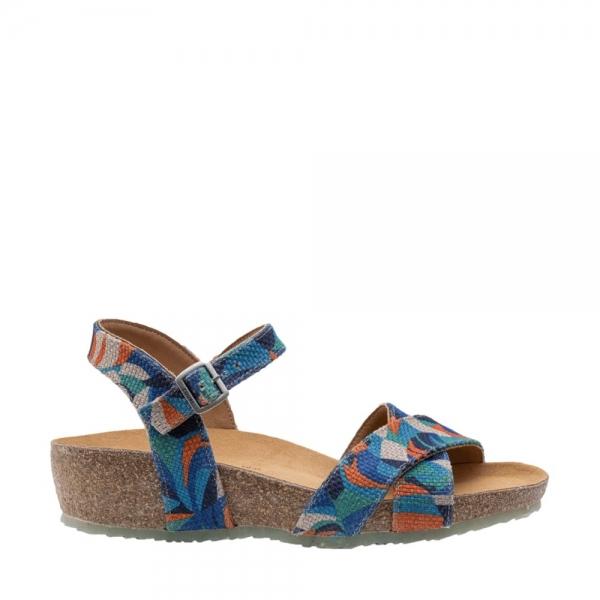
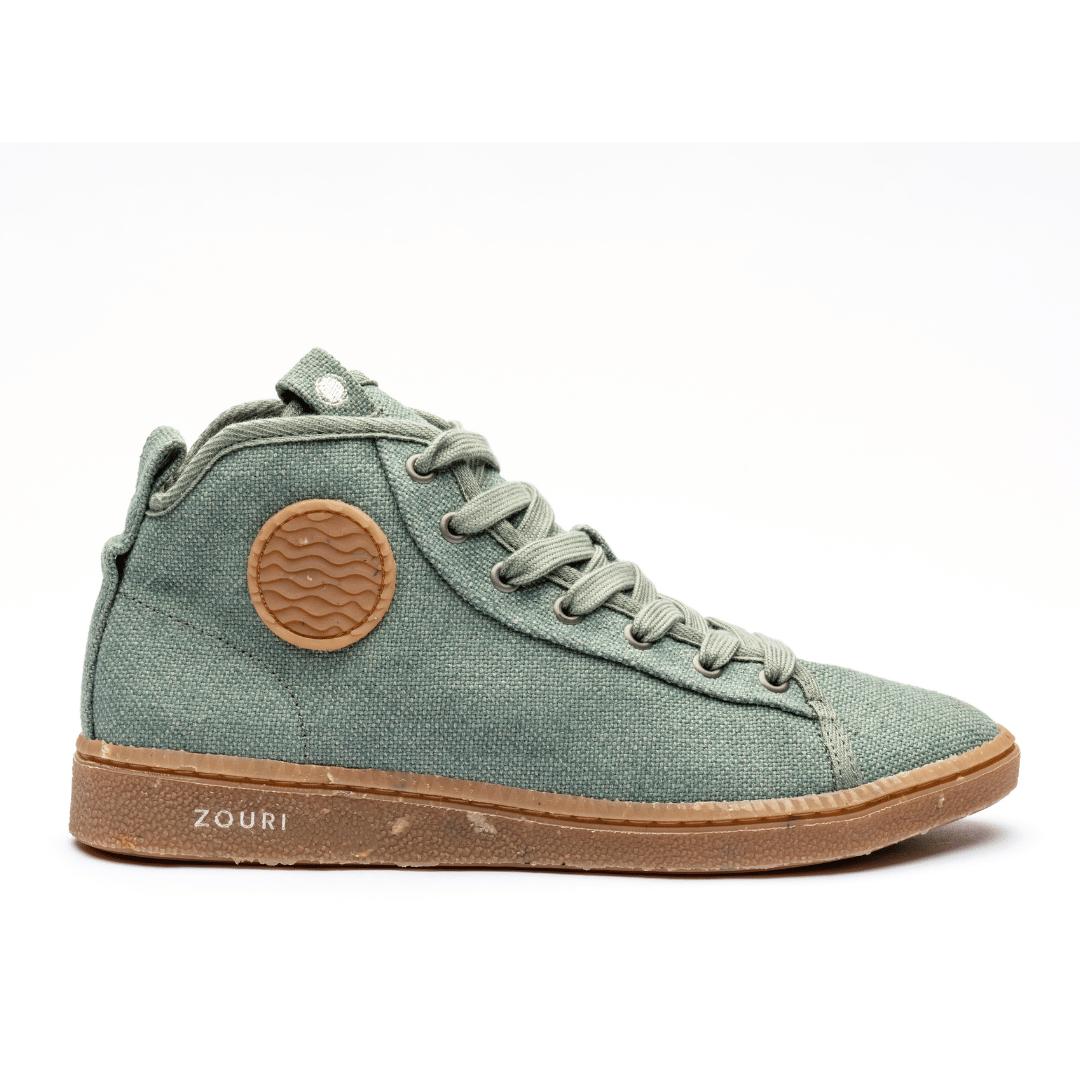
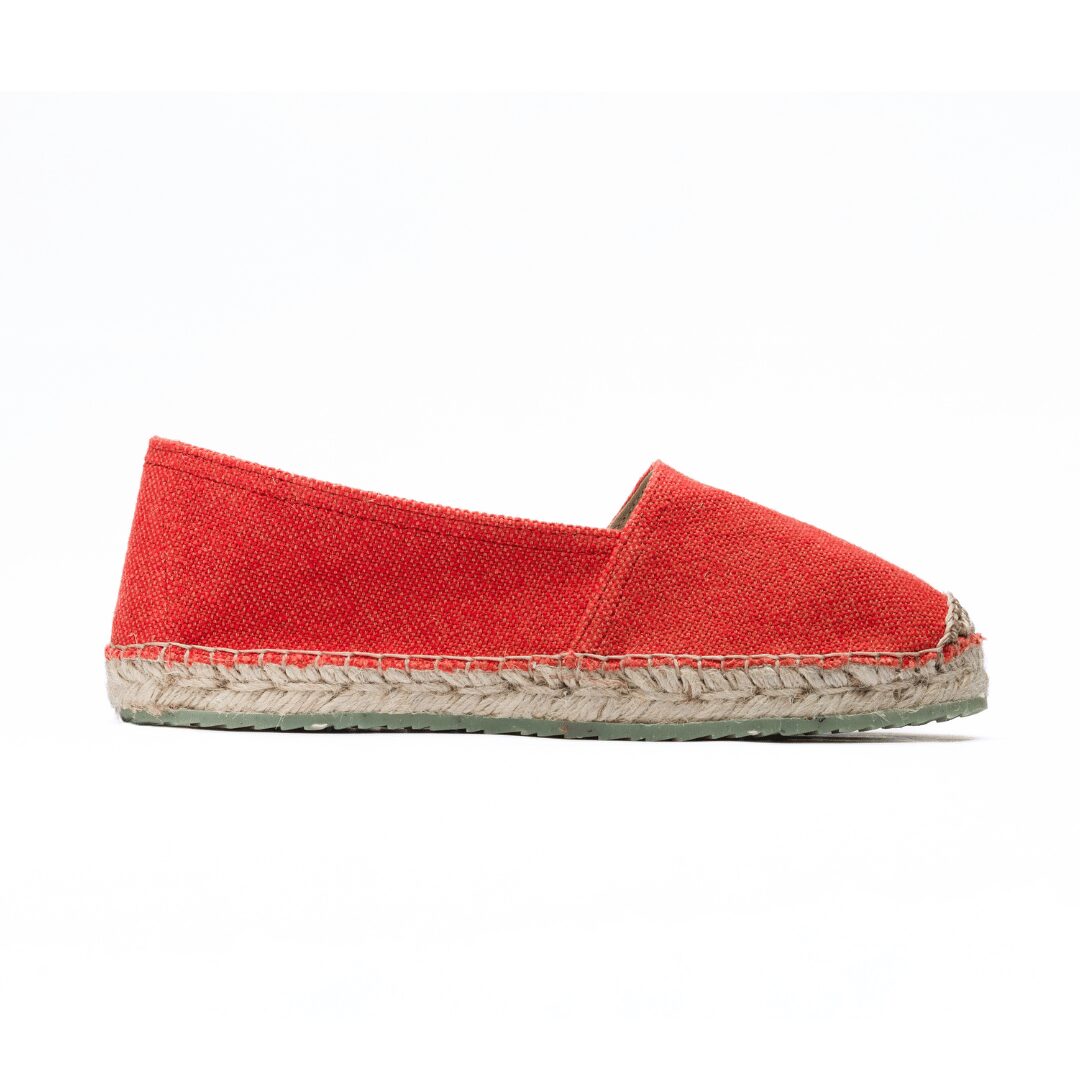
At Zouri, plastic collected from the Portuguese ocean isn’t symbolism. It’s a functional component, integrated directly into the construction of the sneakers.
The gesture is simple but precise: marine waste stops being evidence of crisis and becomes design material. The material isn’t hidden or glorified — it’s present, with the same naturalness leather once had in another era.
The result occupies rare territory: technical and symbolic at the same time. The narrative doesn’t need to be told because it’s embedded in the product.
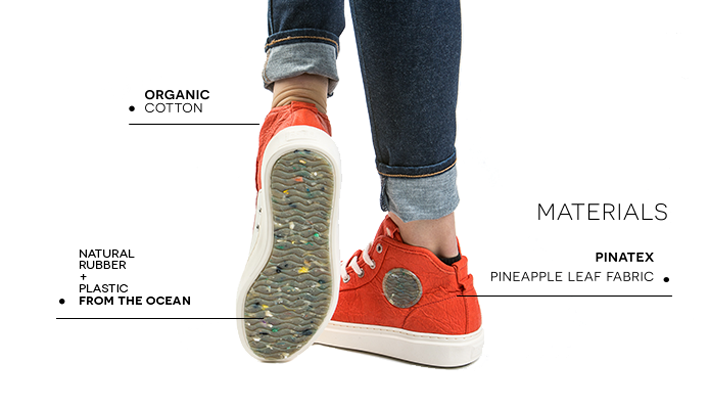
Lemon Jelly: circularity as infrastructure
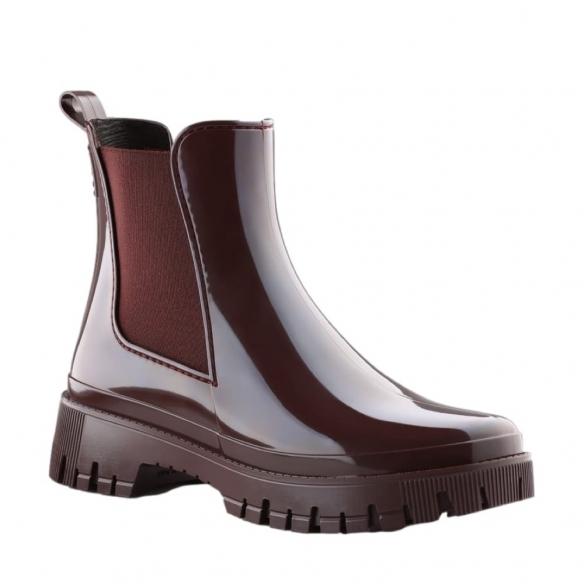
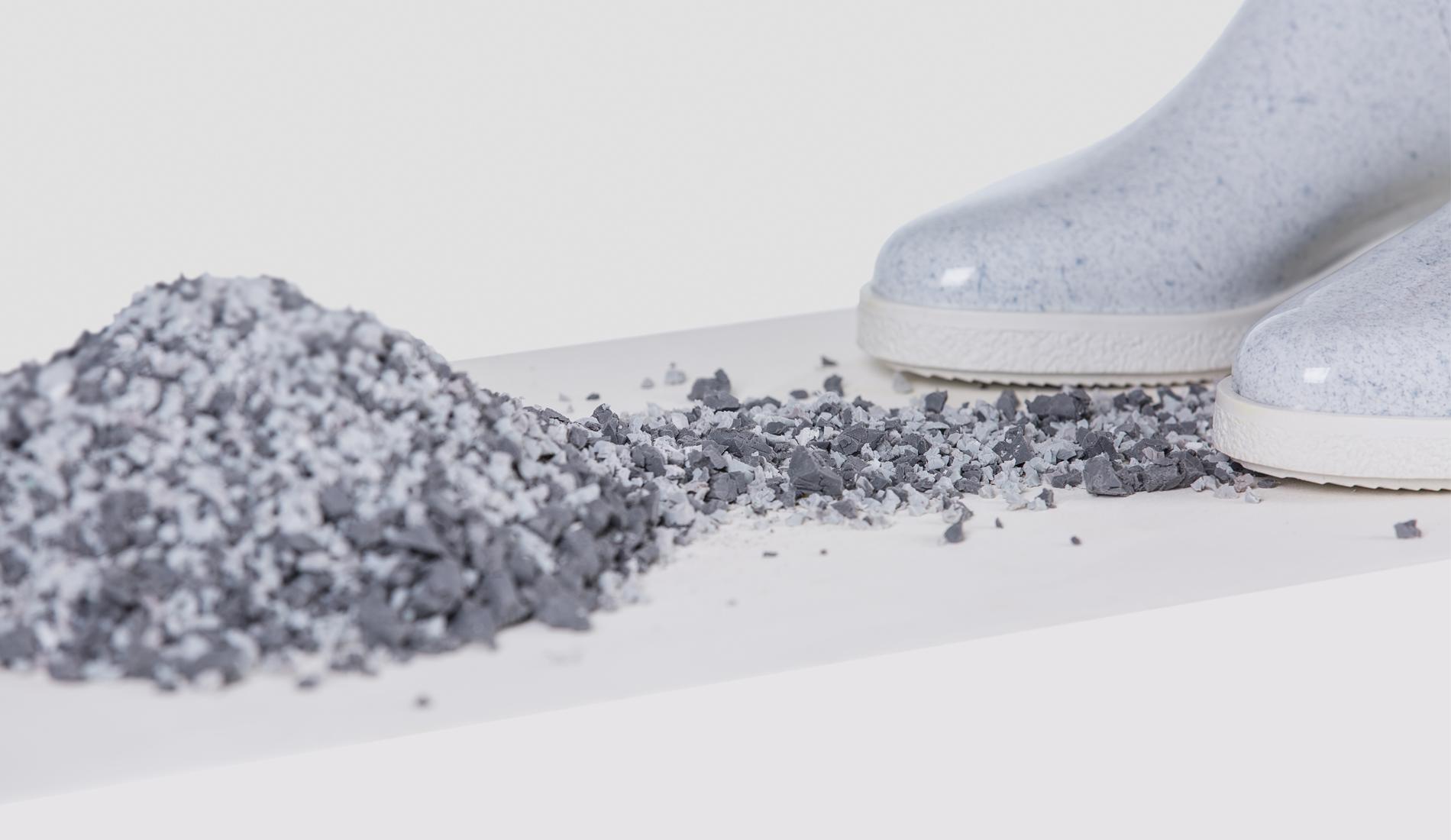

Lemon Jelly doesn’t write manifestos. It builds systems.
The brand works with recycled materials
integrated into its own production chain — plastics reintroduced into new collections, waste-recovery processes operationalized at an industrial level. Sustainability here isn’t an outer layer; it’s the logic of construction.
And yet the result still carries lightness, color, shine. A kind of industrial optimism — which is, perhaps, the hardest thing to achieve.

NAE Vegan Shoes: recycled as the norm, not the exception

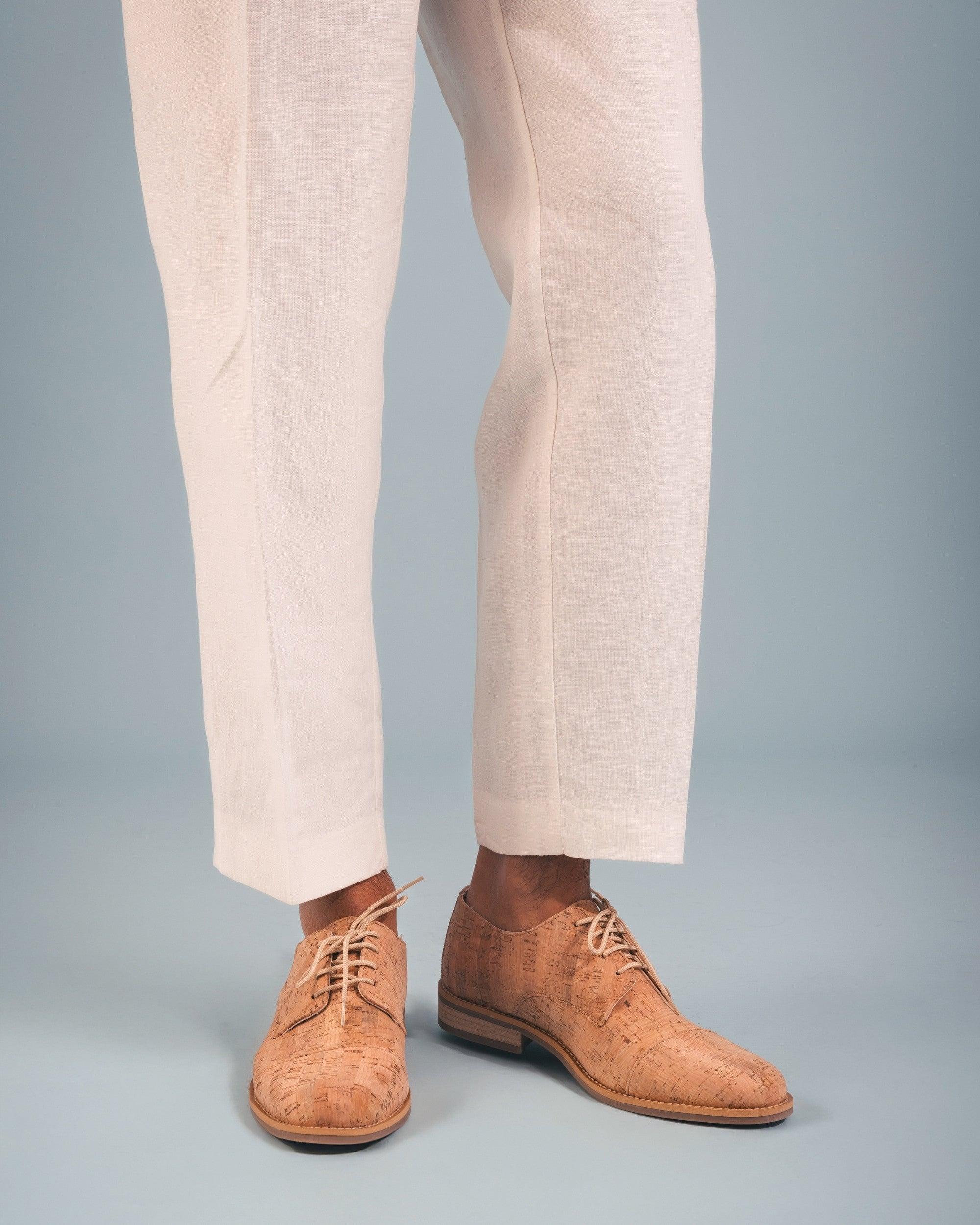

NAE works with RPET, recycled microfibers, and repurposed rubber — not to replace animal-derived materials with “acceptable” alternatives, but to propose next-generation materials that simply work better.
The most interesting point isn’t the substitution. It’s the normalization.
The design doesn’t flag the material. It assumes it. There’s a quiet elegance in this approach: recycled material doesn’t want to look alternative — it wants to look inevitable.

Undo For Tomorrow: the essential as a radical stance

Undo For Tomorrow works with recycled PET suede, discarded party balloons, tire scraps, and sustainable rubber tapped from the Amazon—not as a checklist of good intentions, but as proof that origin doesn’t have to mean compromise.
Although Brazilian in origin, Undo For Tomorrow is now headquartered in Lisbon, reflecting the creative exchange of ideas, craftsmanship, and cultural ties between both sides of the Atlantic. For that reason, it earns a place in this selection: not as a Portuguese brand by origin, but as one contributing to Portugal’s contemporary design landscape.
The most interesting point isn’t the materials. It’s the refusal to smooth over where things come from. The design doesn’t apologize for its origins. It builds from them. There’s a quiet confidence in this approach: waste doesn’t want to be forgiven—it wants to be trusted.
Latitid: when recycled material meets the demands of swimwear

Swimwear is one of the most demanding terrains for any material: it has to withstand water, salt, sun, tension. It’s also where recycled fabrics have the most to prove.
Latitid works with regenerated fibers and recycled polyester in minimalist silhouettes, where design is reduced to the essential and the material takes center stage for what it does — not for what it represents. Legitimacy here is earned through performance, not declaration.
What has really changed
What unites these brands isn’t the list of materials on the label. It’s how they treat those materials: not as a concession, not as a marketing differentiator, but as a creative starting point.
Ocean plastic has become a design structure. RPET has become an aesthetic norm. Recycling has stopped being a corrective gesture and become a decision of origin.
Portugal isn’t just keeping pace with the global conversation on circular fashion. It’s refining it — with a language where industrial technique and editorial sensibility finally coincide.